RF Guru
VerticalVortex3 — An active E-Probe for the LowBands — 1.5 MHz - 10 MHz
VerticalVortex3 — An active E-Probe for the LowBands — 1.5 MHz - 10 MHz
Couldn't load pickup availability
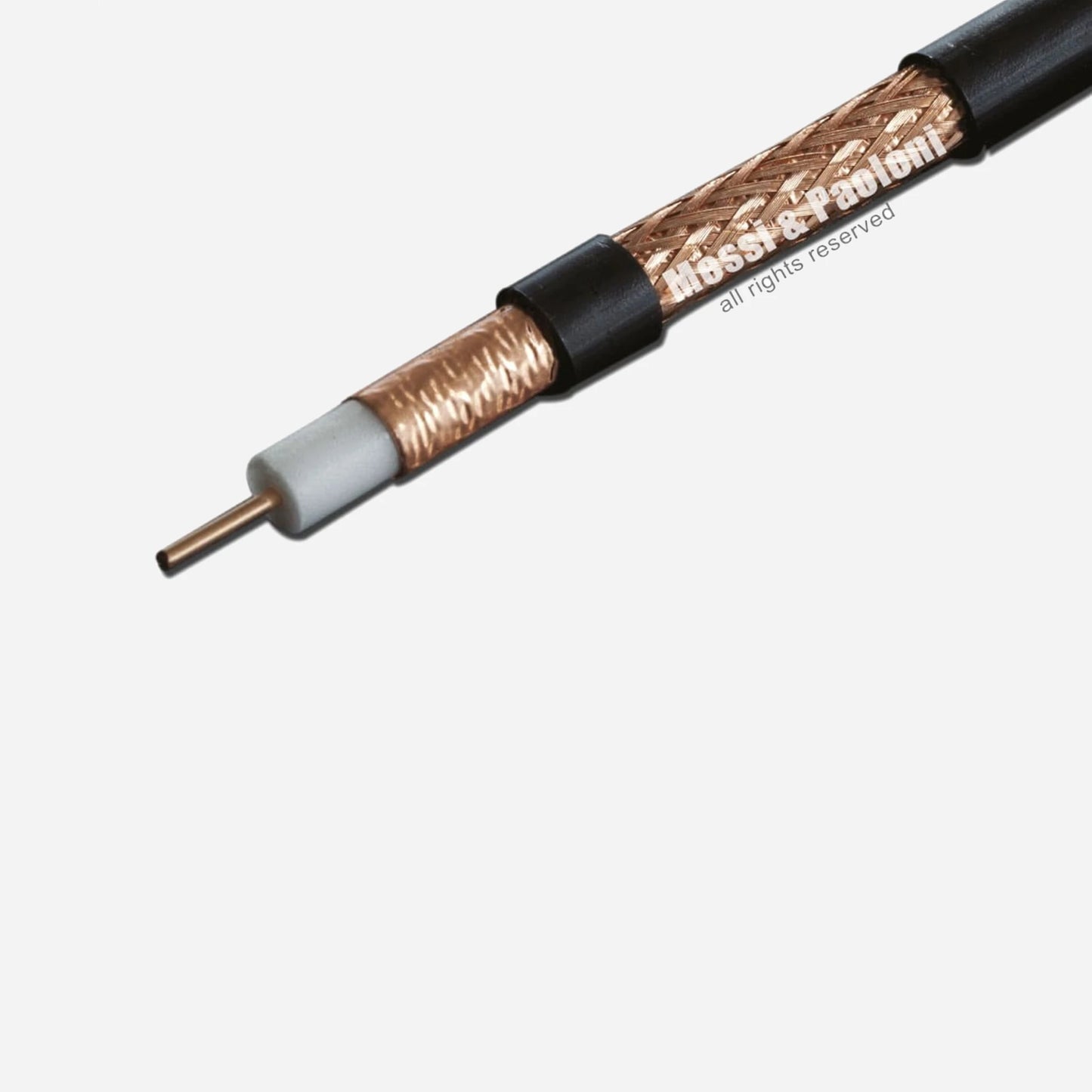
If you order coax together with terminations, we’ll pre-assemble the ends for free before shipping.
All our products are handmade, and fulfilment times may vary depending on order volume. Please allow 2–3 weeks for your order to be completed and shipped.
Listen to our SDRs
Hear the VerticalVortex3 and our other antennas live on remote SDRs.
VerticalVortex3 — Technical Overview
Comparison of Active RX Antennas
Clever Phasing — Why These Arrays
Current hardware revision: VerticalVortex3 (front-end at the antenna / start of feedline), updated 2026-01-11.
Included
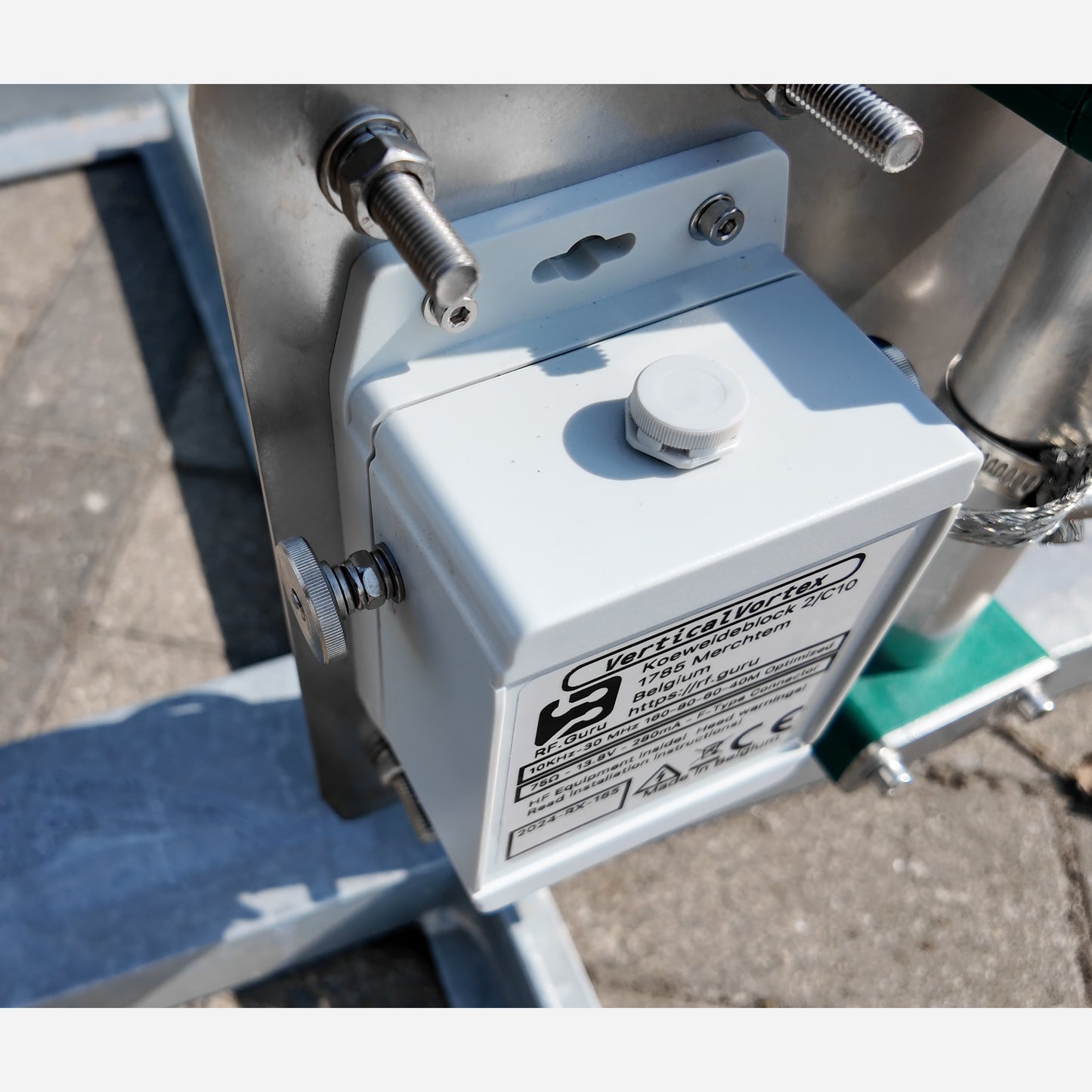
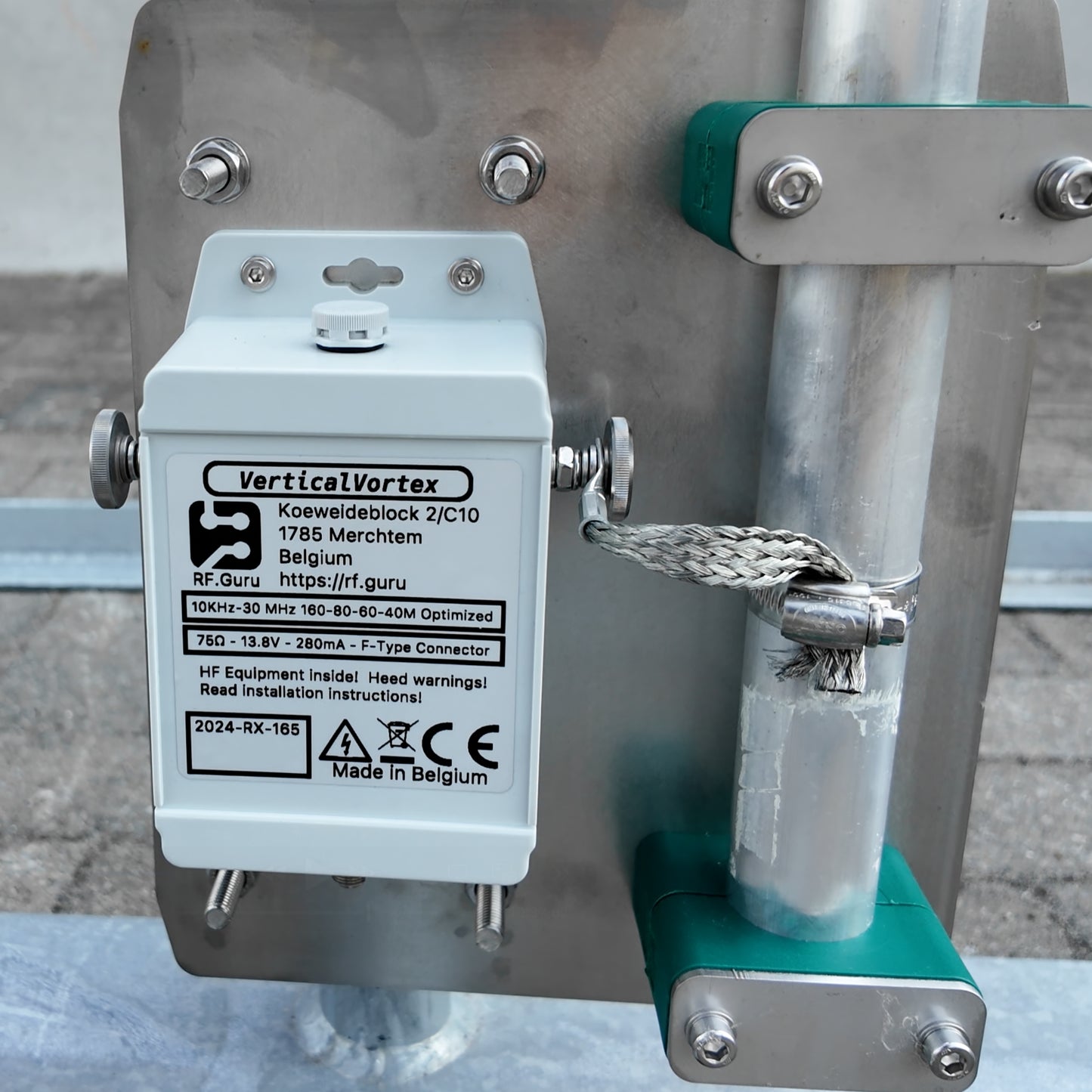
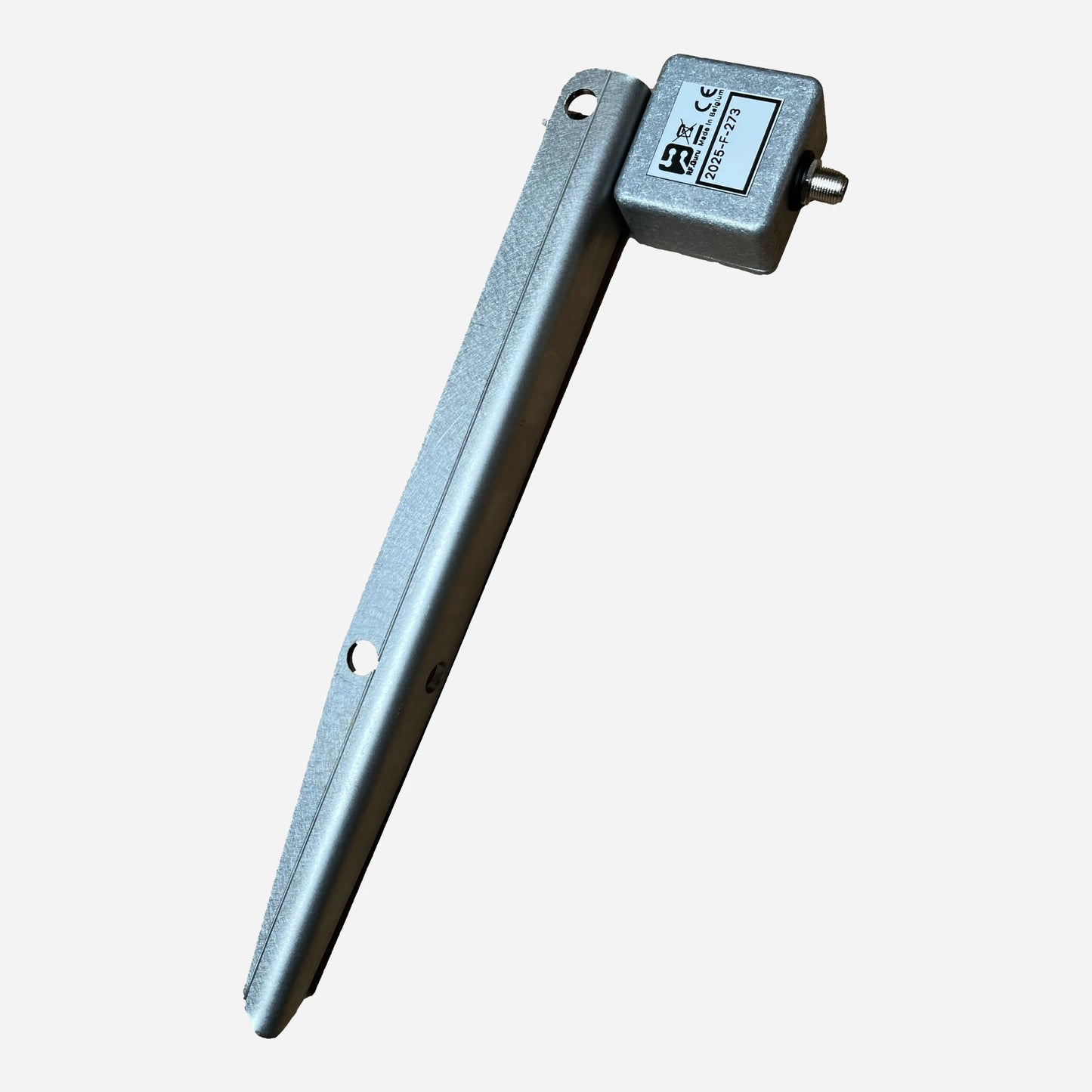
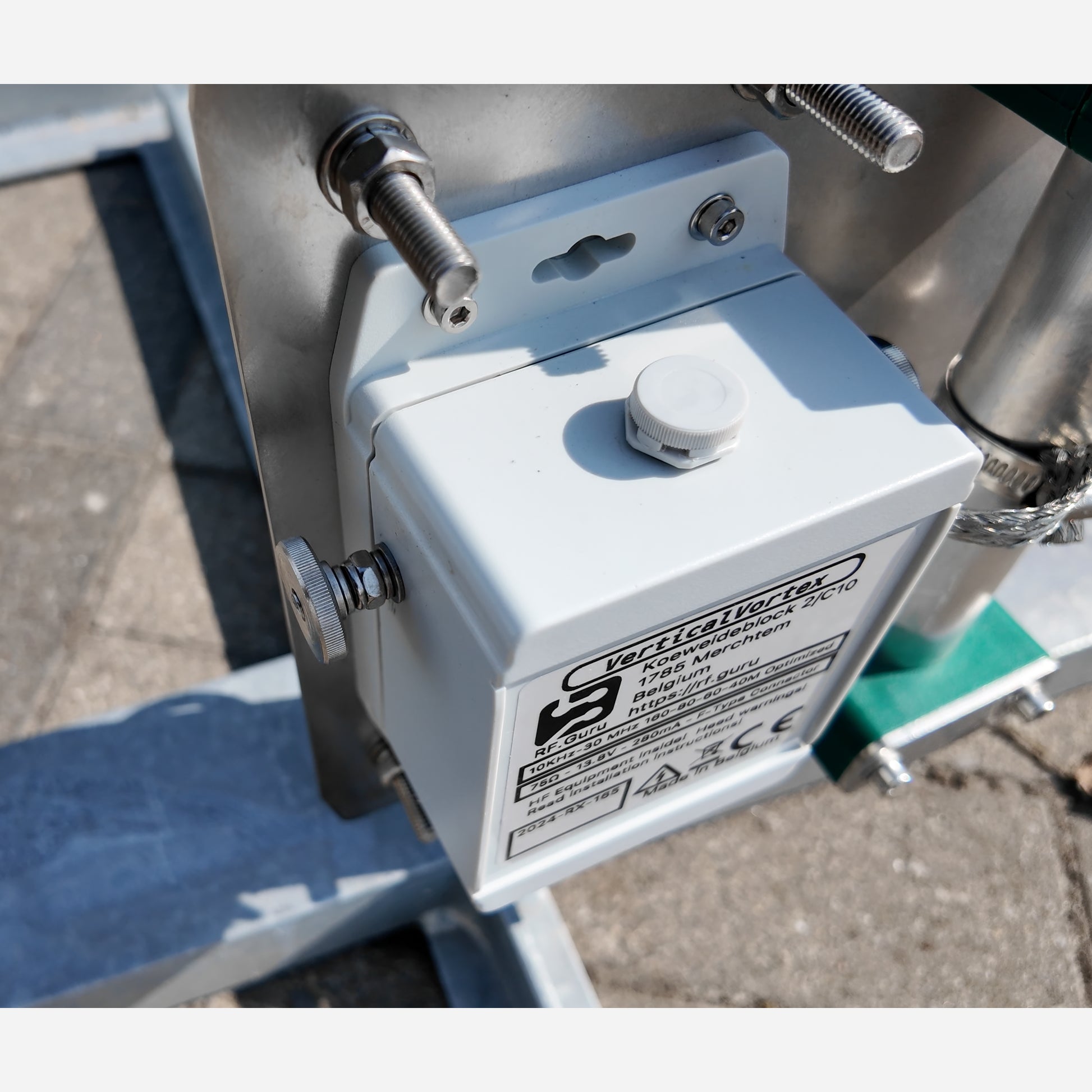
- VerticalVortex3 active receive head
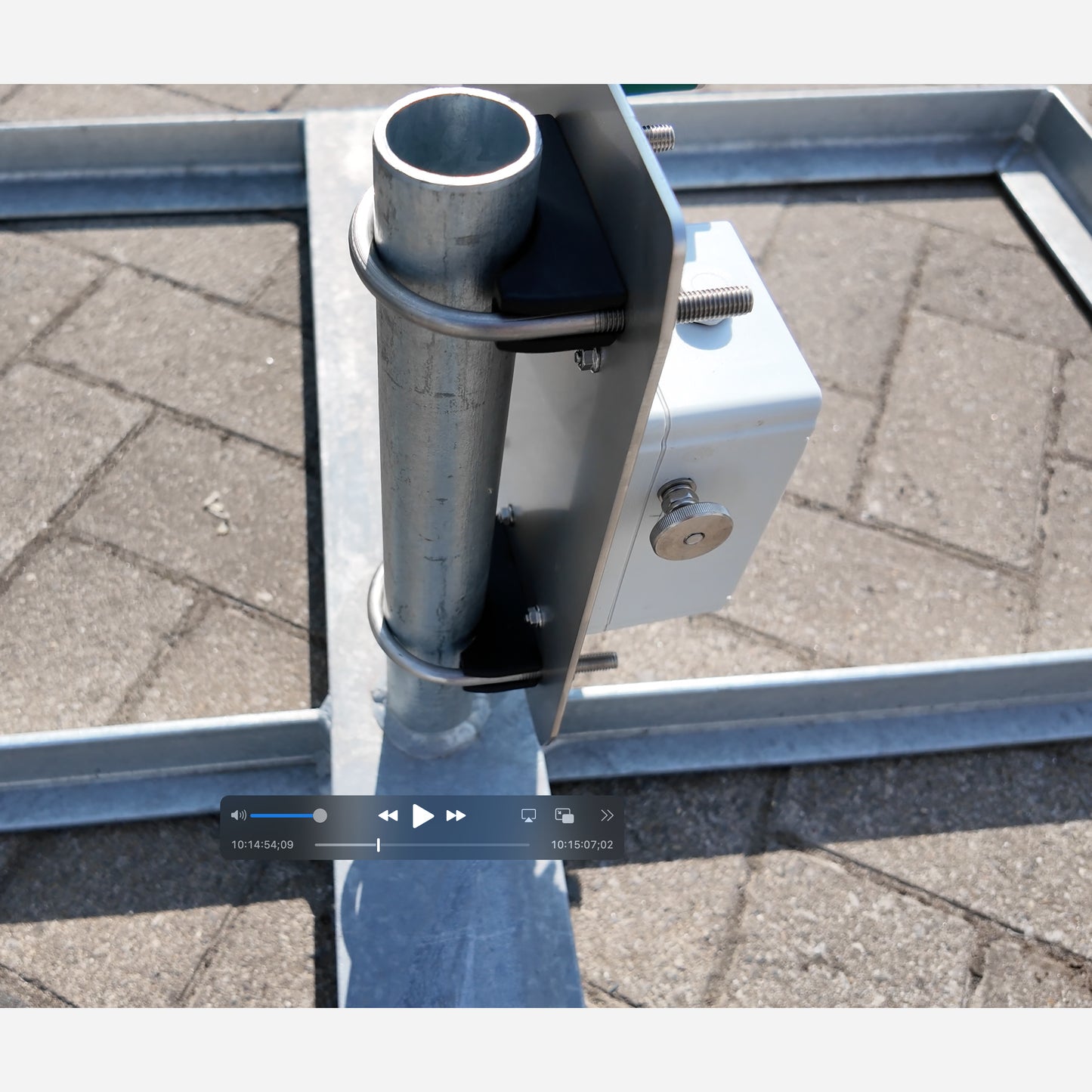
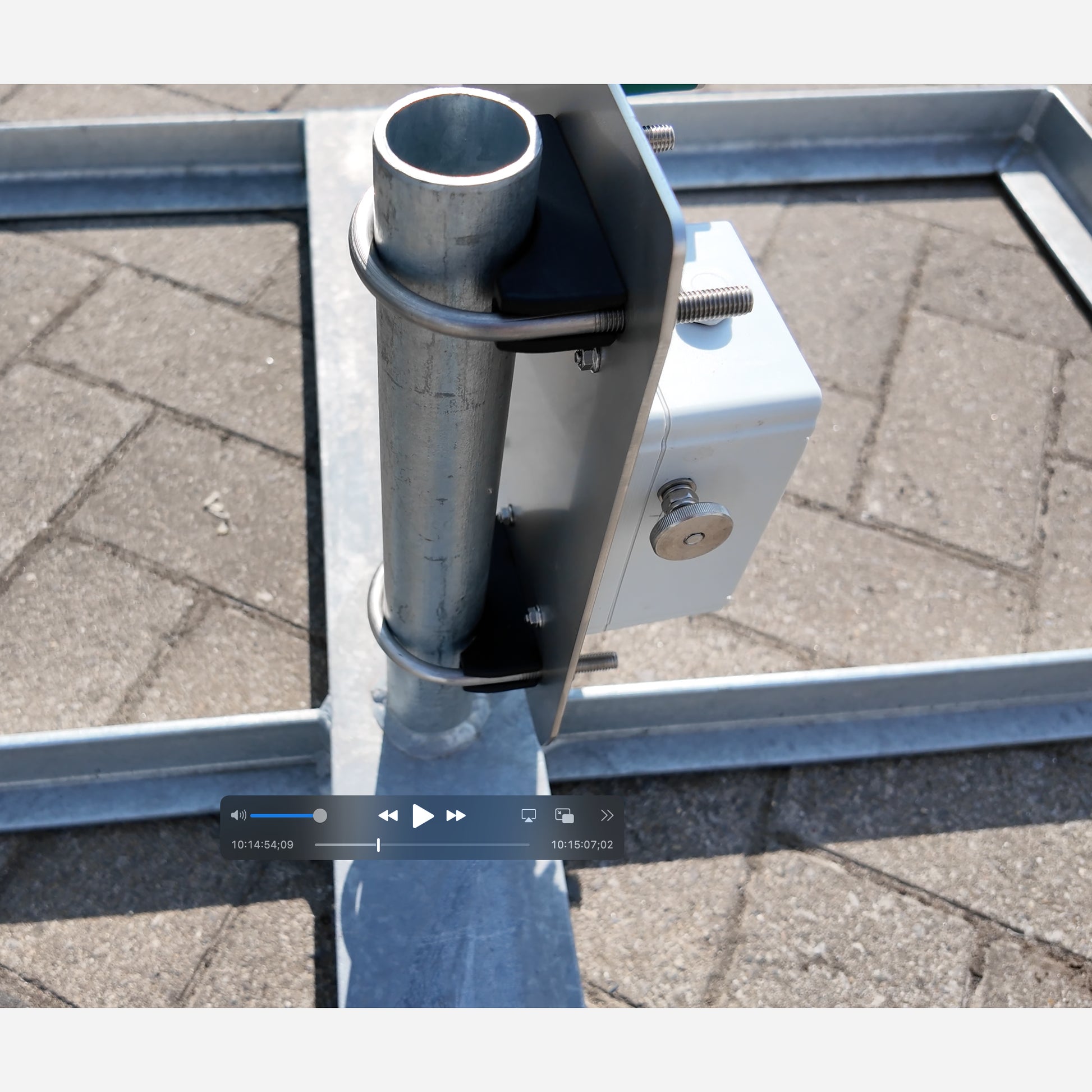
- Mounting hardware
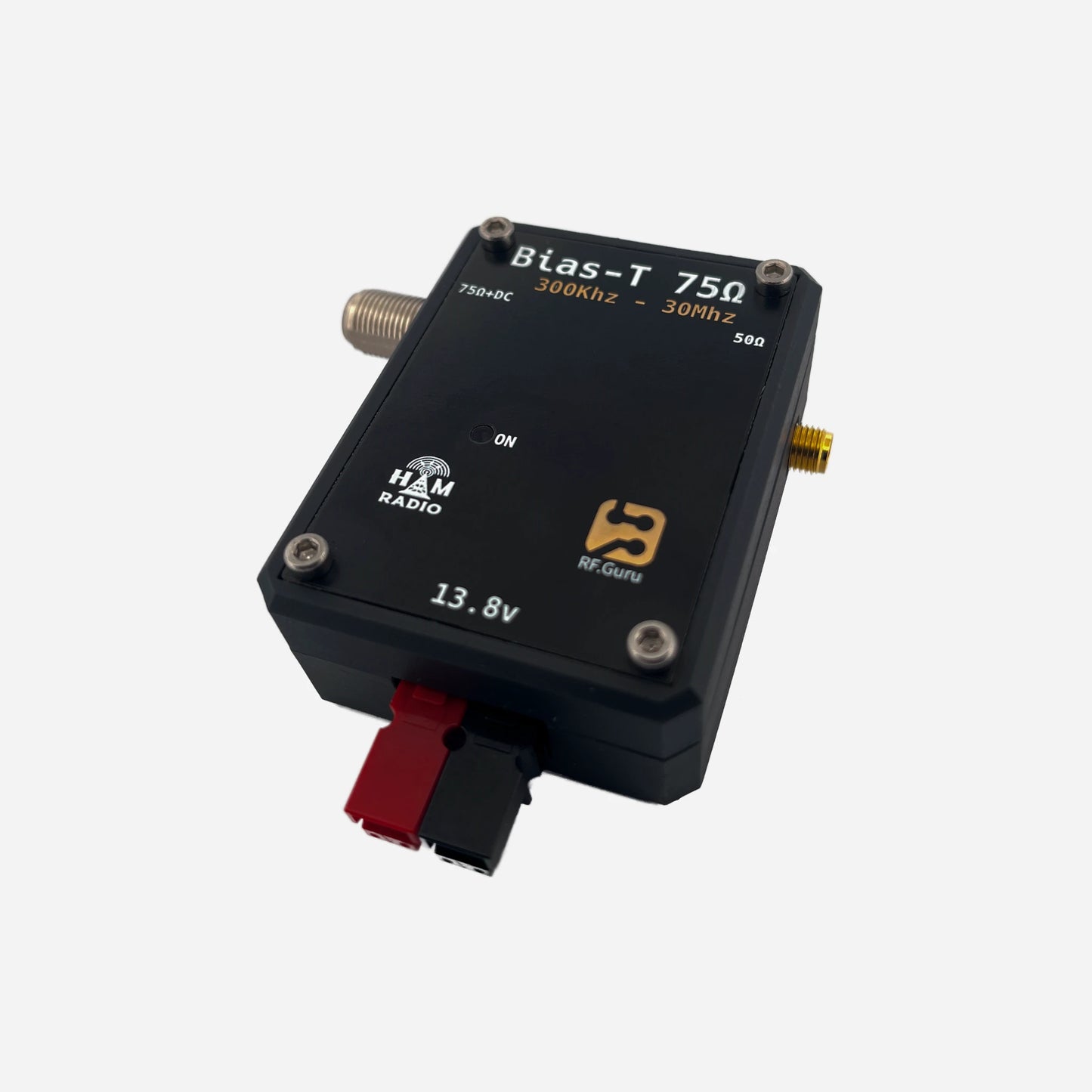
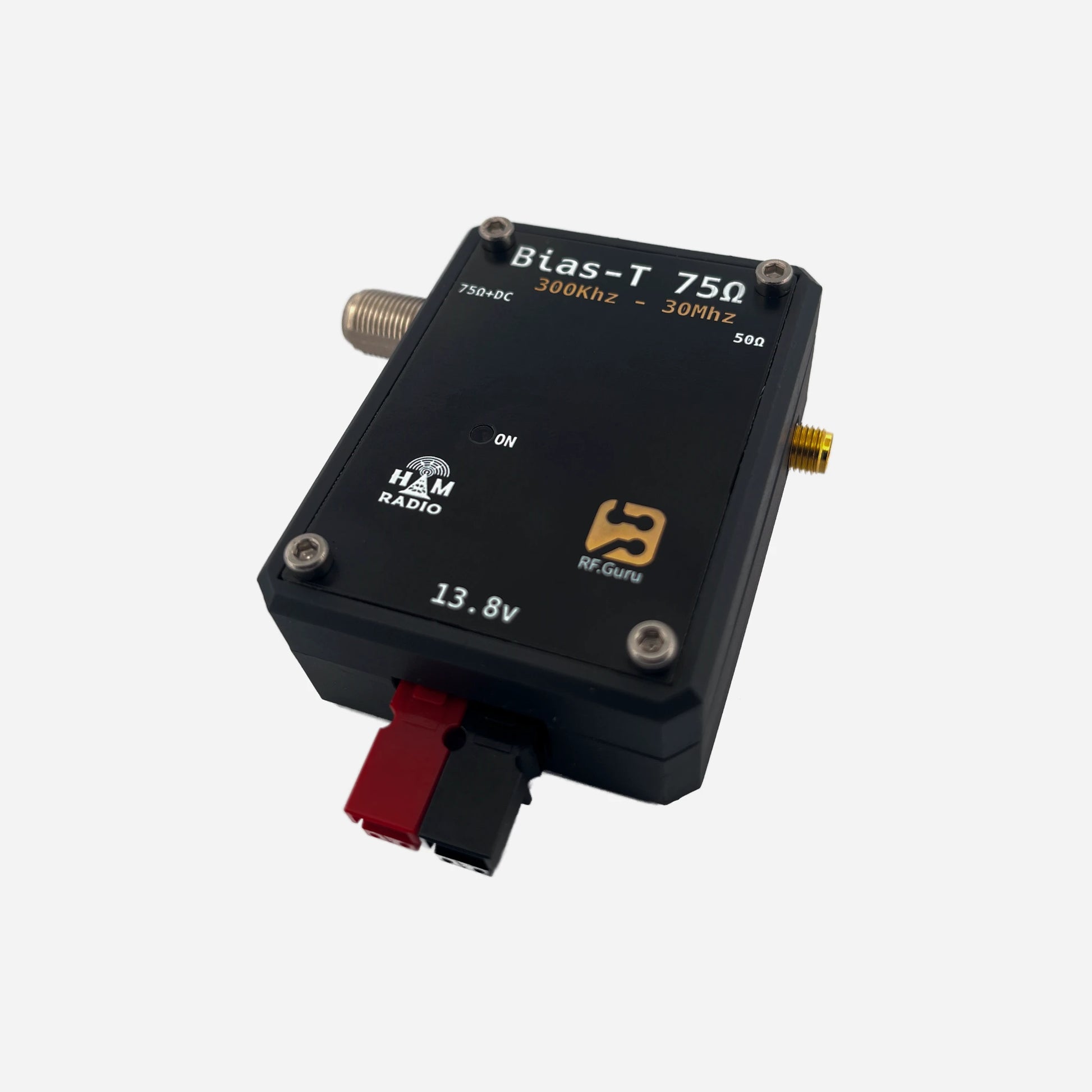
- Coax power injector (13.8 V) for bias-T powering
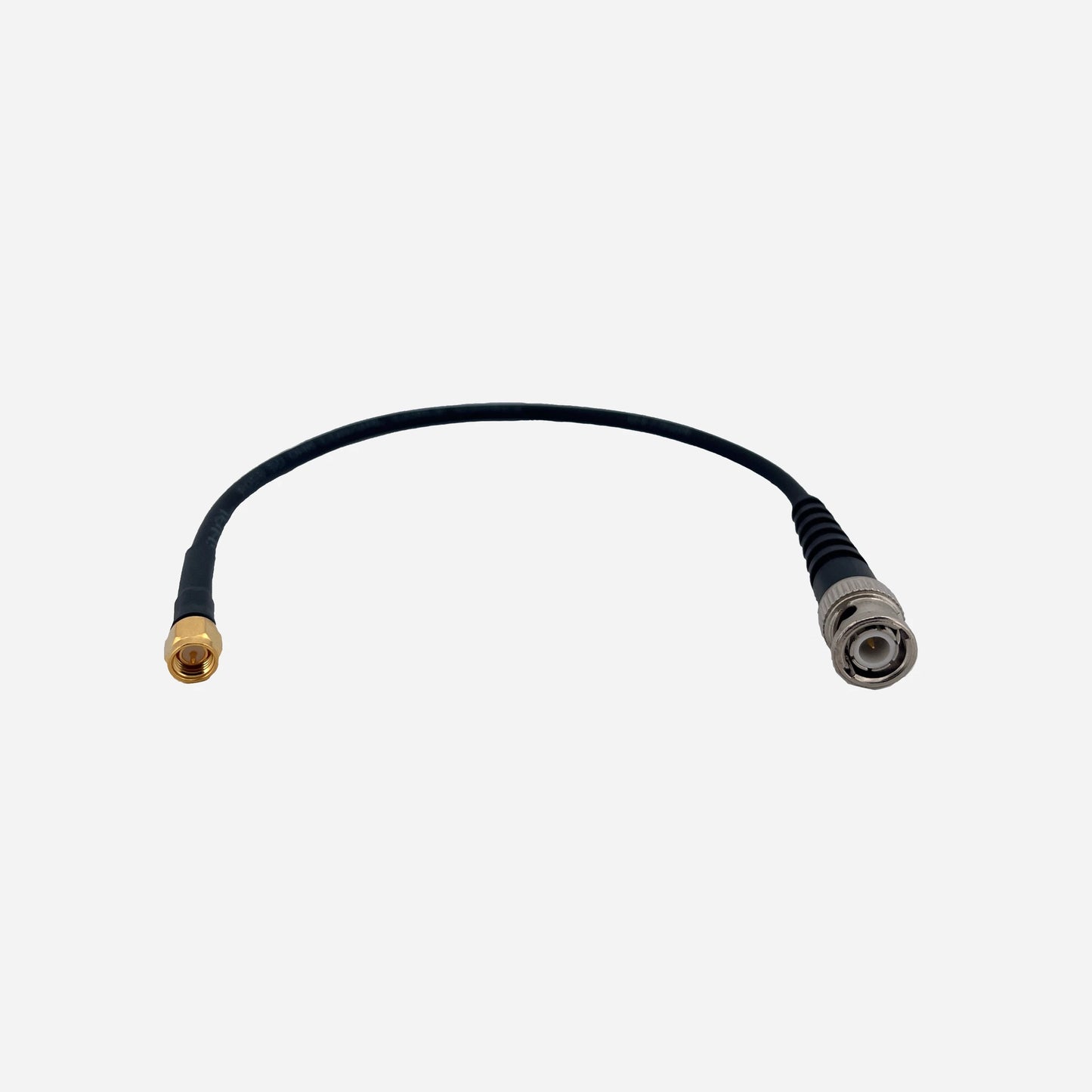
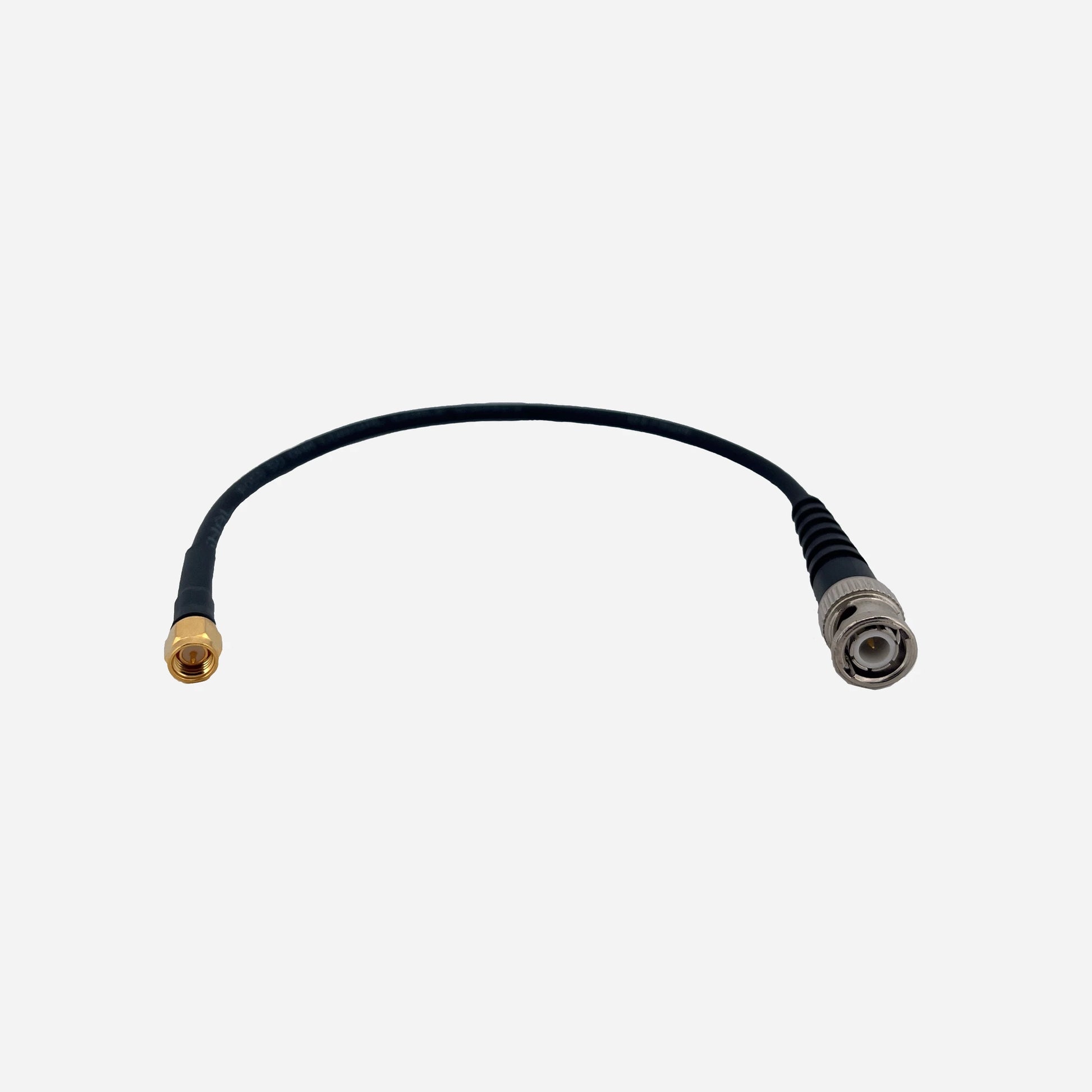
- Short adapter lead to a common receiver input
- 1 meter long 13.8 V DC power cable with Powerpole connectors
Optional
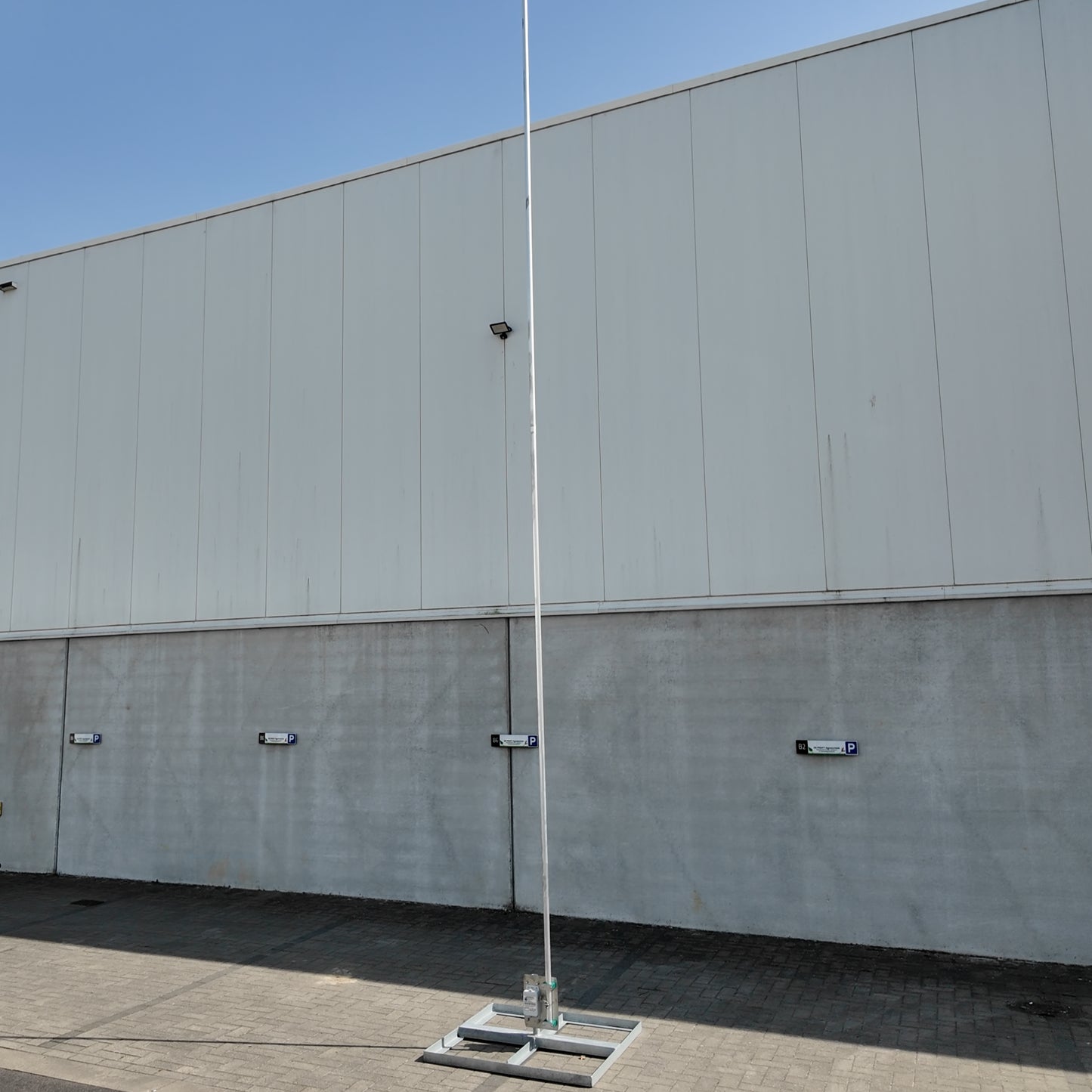
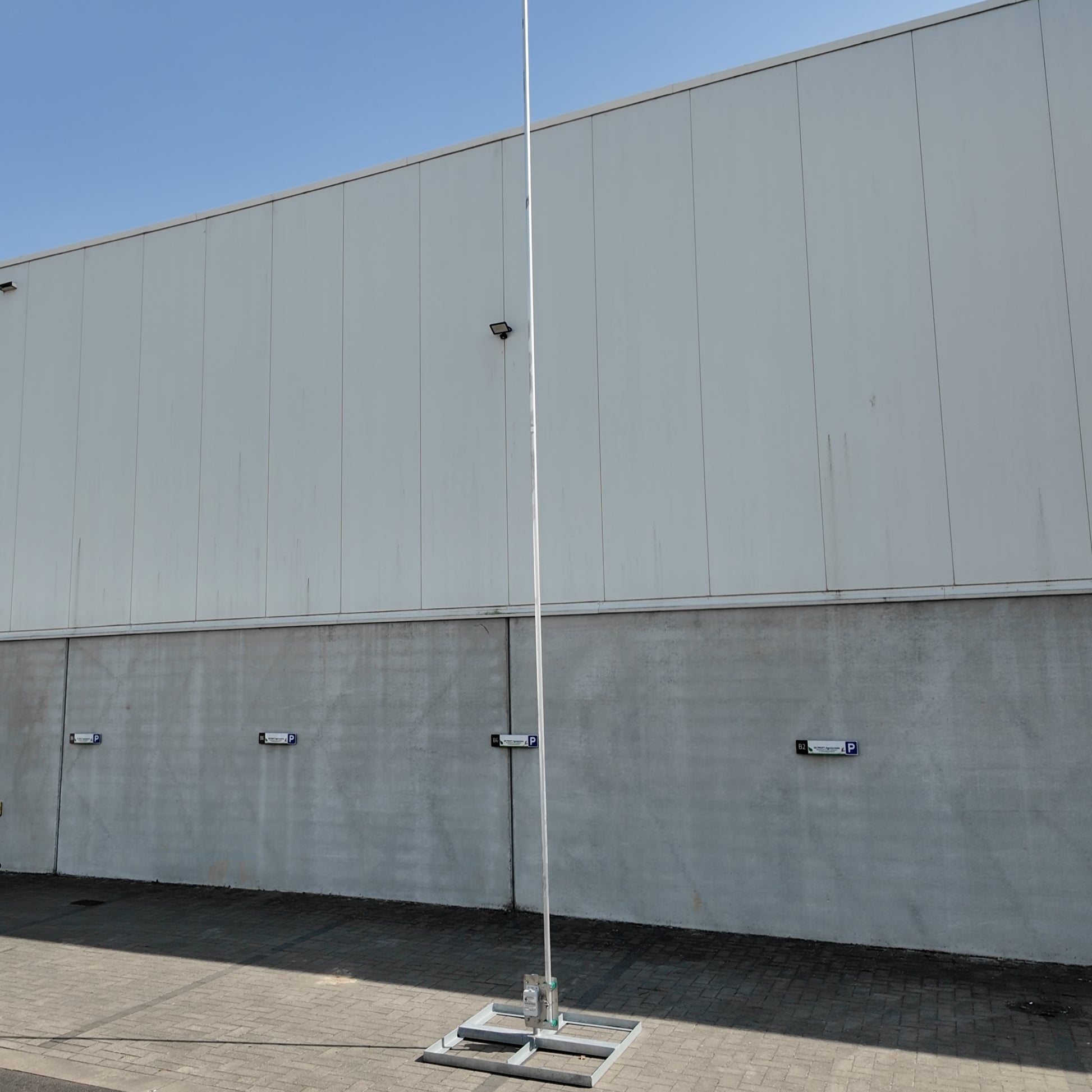
- 6 m × 35 mm marine-grade aluminum pole + protective cap
- RVS stake
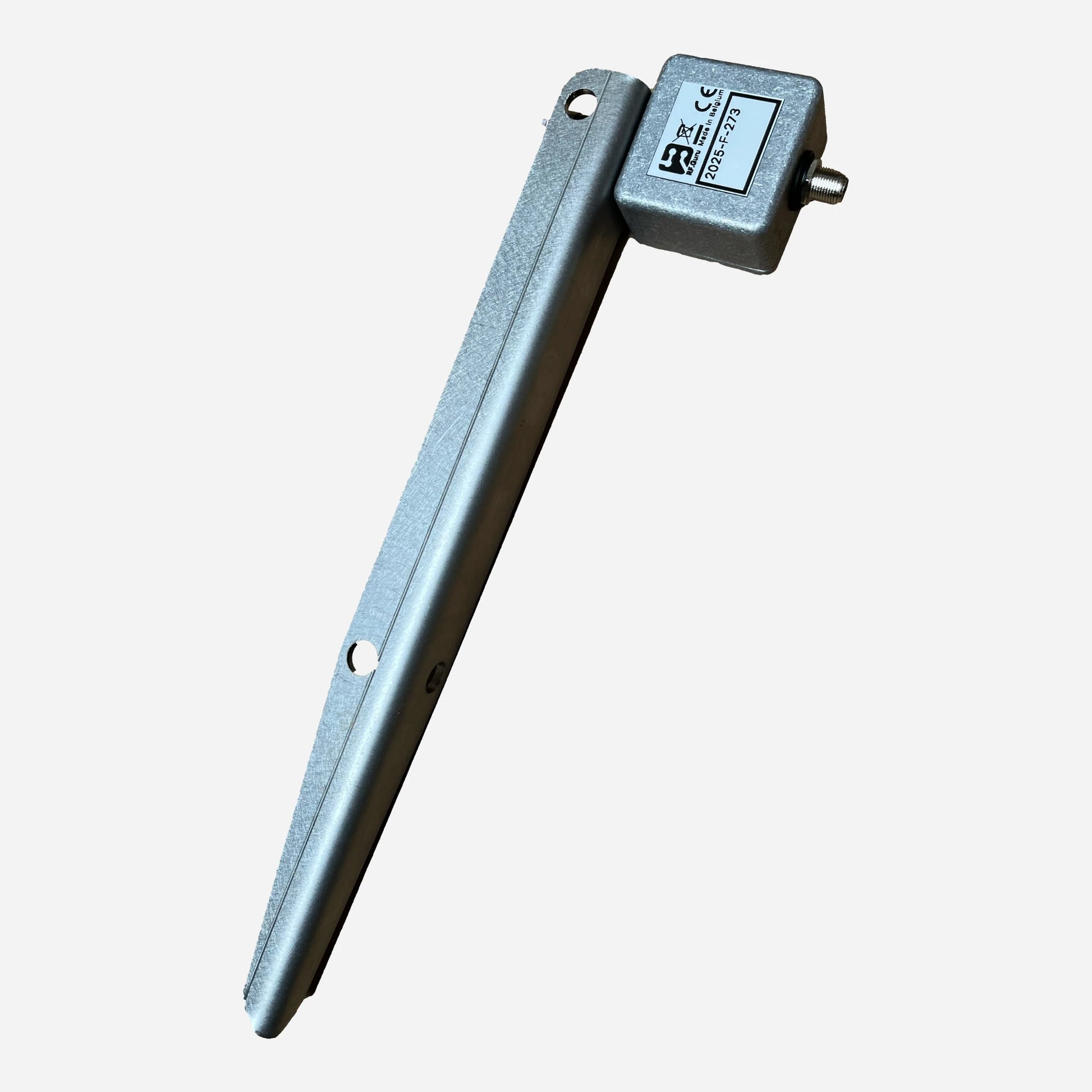
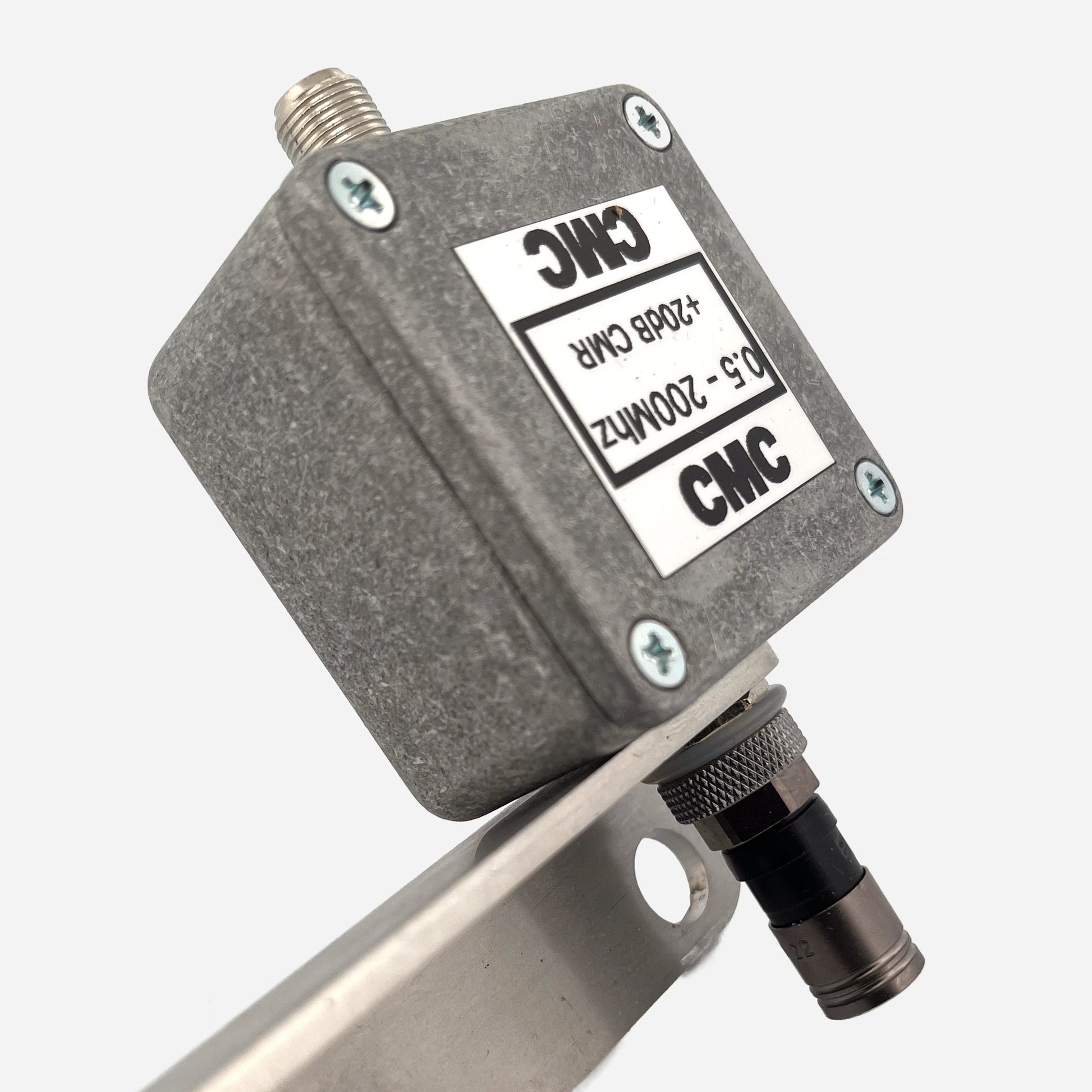
- Feedline grounding / entry and line isolation accessories
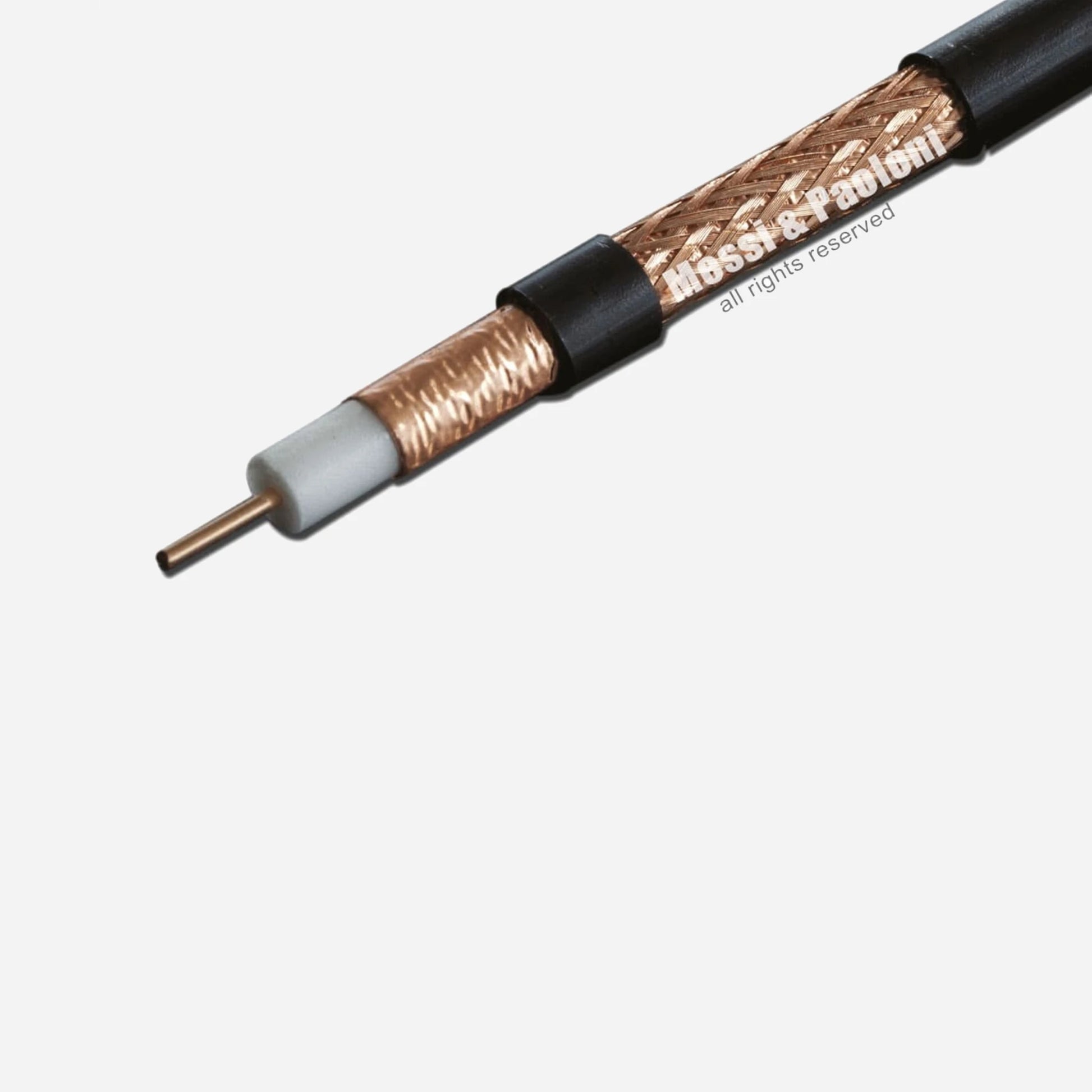
- Coax cable & terminations (if needed)
- Stabilizer / short wire kit (~4×2 m) for very poor soil (not a “radial field” requirement)
US Mast Reference
For customers sourcing their own radiator in the US, a close match to the supplied 6 m × 35 mm OD × ~2 mm wall marine tube is:
• 6061-T6 or 6063-T52 aluminum
• OD: 1-3/8 in (≈34.93 mm) • Wall: 0.083 in (≈2.11 mm) • Length: ~20 ft (≈6.1 m)
Ask for “1-3/8 in OD × 0.083 in wall × 20 ft 6061-T6 (or 6063-T52) aluminum tube” at an online metals supplier or local marine/awning shop.
About the VerticalVortex3
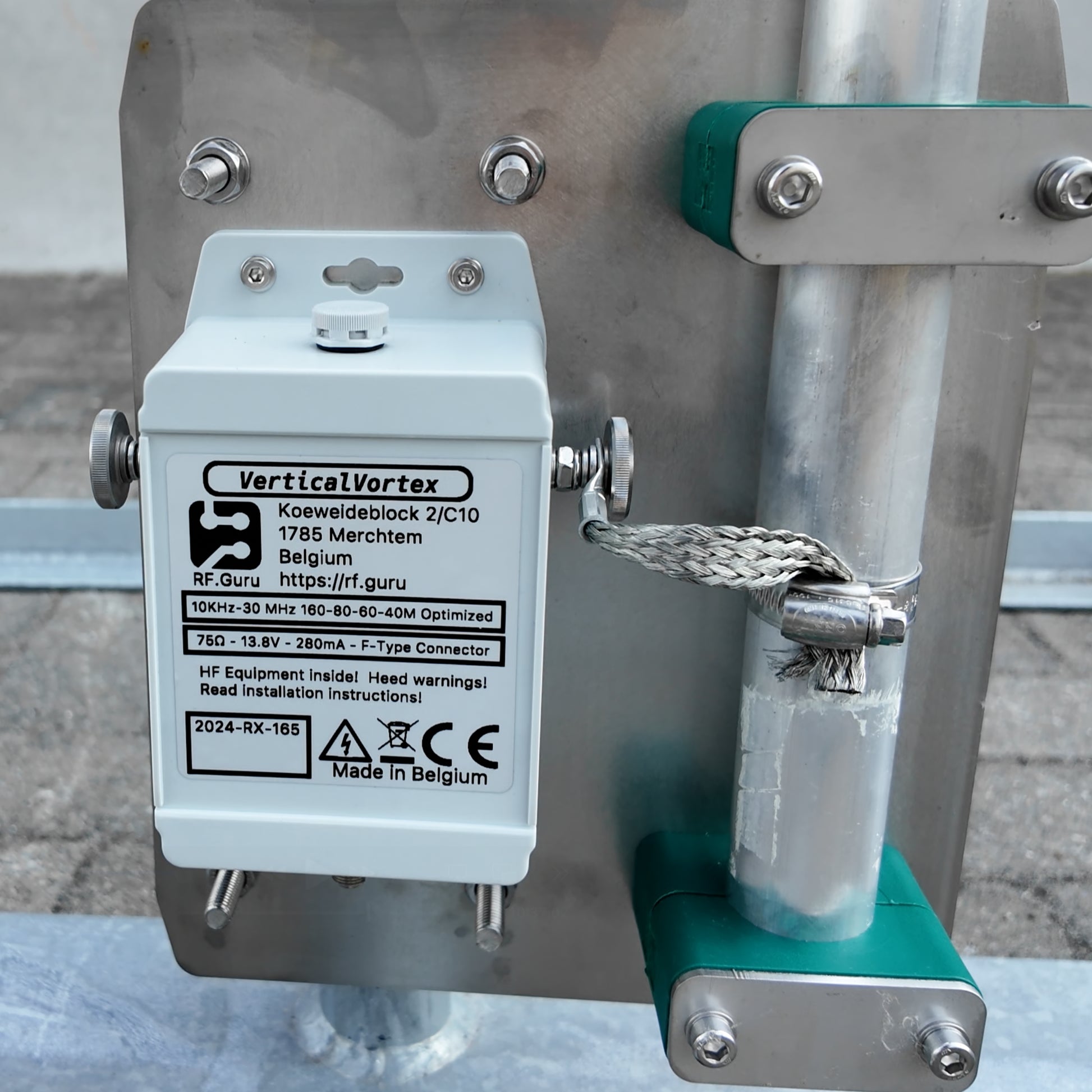
VerticalVortex3 is RF.Guru’s ground-mounted active E-field receive platform built for serious low-band reception on 160 m, 80 m, 60 m, and 40 m. A long vertical probe couples the vertical E-field, while the receive front-end is designed to sit at the antenna (or at the start of a long feedline) for stable, predictable low-band behavior and strong-signal resilience.
Key Highlights (Version 3)
- Purpose-built for low bands: optimized behavior on 160 m / 80 m, with optional wider bandwidth settings when needed.
- Selectable HF roll-off: controlled low-pass shaping reduces out-of-band energy and helps keep receivers calm in dense RF environments (two practical bandwidth options).
- Robust protection: primary surge handling plus configuration options for extra strong-signal margin (limiting and/or input shorting/mute option).
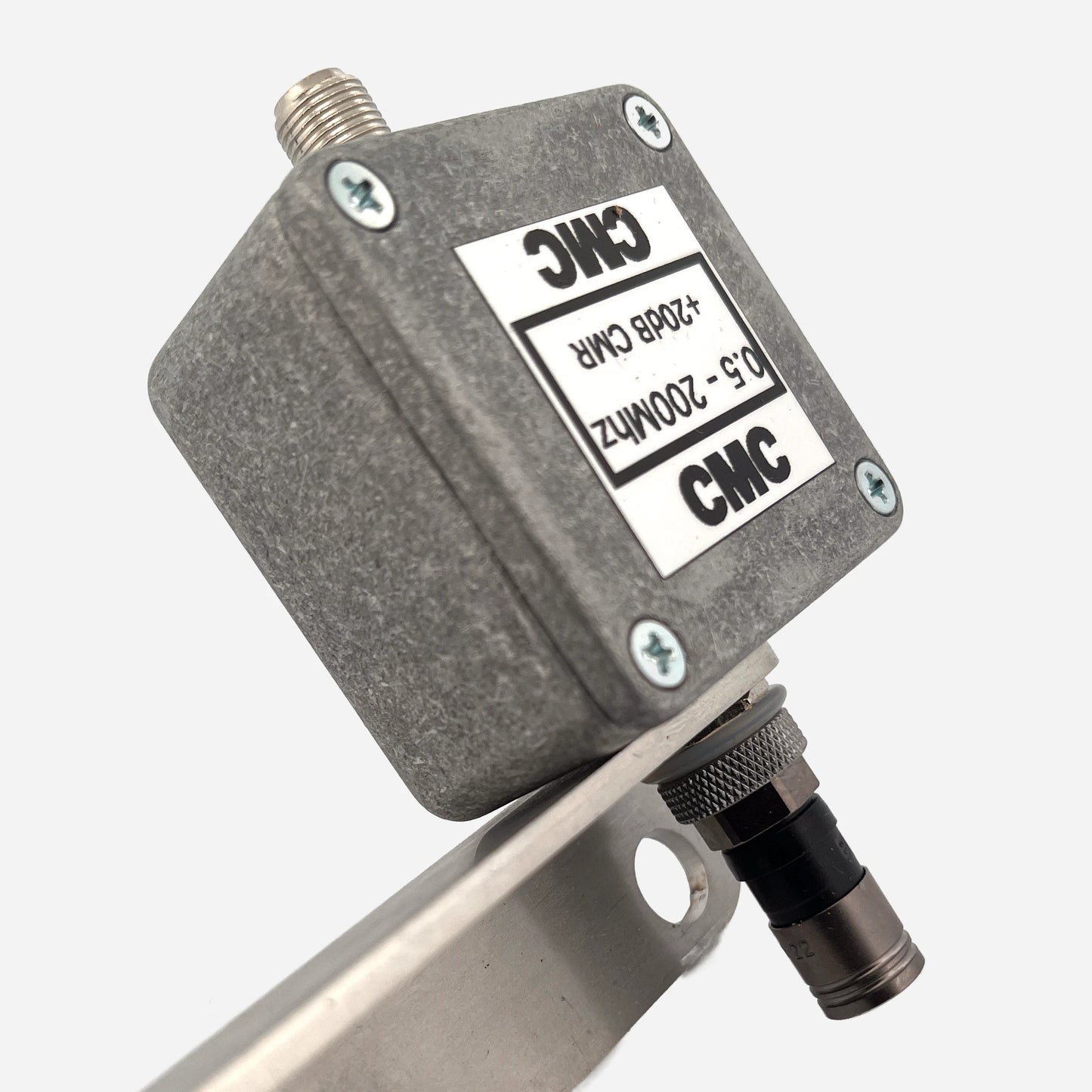
- Feedline-friendly interface: defined output termination for long coax runs (default 75 Ω, optional 50 Ω), plus common-mode suppression at the coax interface.
- Selectable gain mode: configuration-selectable gain (buffer stage) for matching different receiver sensitivities and site conditions.
- Flexible powering: bias-T over coax via the included injector, or external DC (solar/battery) depending on your site layout.
- Array-ready: suitable for single-antenna use or phased receive arrays (stable interface and predictable feedline behavior).
Full details, configuration options, and measurements: VerticalVortex3 Technical Overview.
For best common-mode control, use a feedline isolator near the antenna and another at the shack entry, and bond/ground the feedline at the mast base. In noisy locations, choking at the building entry often makes the biggest real-world difference.
Maintenance Tip – Corrosion-Proof Connections
For the aluminum probe base, junction hardware, and outdoor coax terminations, apply AL-1100 aluminum paste during installation. This helps prevent galvanic corrosion, keeps contact resistance stable, and improves long-term durability outdoors.
Apply once during install. In coastal or polluted areas, reapply every 2–3 years during inspection or when connections are re-opened.
Mini-FAQ
- Which bands is it for? Optimized for 160/80/60/40 m; usable across LF/HF up to ~30 MHz (site and configuration dependent).
- Do I need radials or a ground screen? No. VerticalVortex3 focuses on a quiet reference and strong feedline common-mode control. On very poor soil, a few short wires can be used as stabilizers.
- Can it survive next to a kilowatt TX? It’s designed for robust front-end protection. For best results in high-RF stations, use proper station sequencing, external primary lightning/surge protection, and manage common-mode currents on the feedline. If your build uses the optional input-mute/short function, assert it during TX.
- Where should I place the choke? At the shack entry point (and optionally also near the antenna). The interface includes on-board common-mode suppression, but real-world RFI is often best tamed at the building entry.
Share